Gluten Free No Bake . This tart can be made in less than 30mins and ready to eat in 1 hour. I use a 1 ãâ½ tablespoon cookie scoop. No Bake Gluten Free Peanut Butter Fruit & Nut Cookies (GF, Vegan, Dairy from beamingbaker.com Peanuts + chocolate + vanilla + sea salt. Cover and refrigerate overnight (for best results and easier slicing). In a large saucepan, combine butter, sugar, cocoa powder, and milk.
Gluten Free Bread Not Rising. Starches, however, when used with rice flour, make for a nice balanced mix. Overall, though, just be patient with your bread dough.
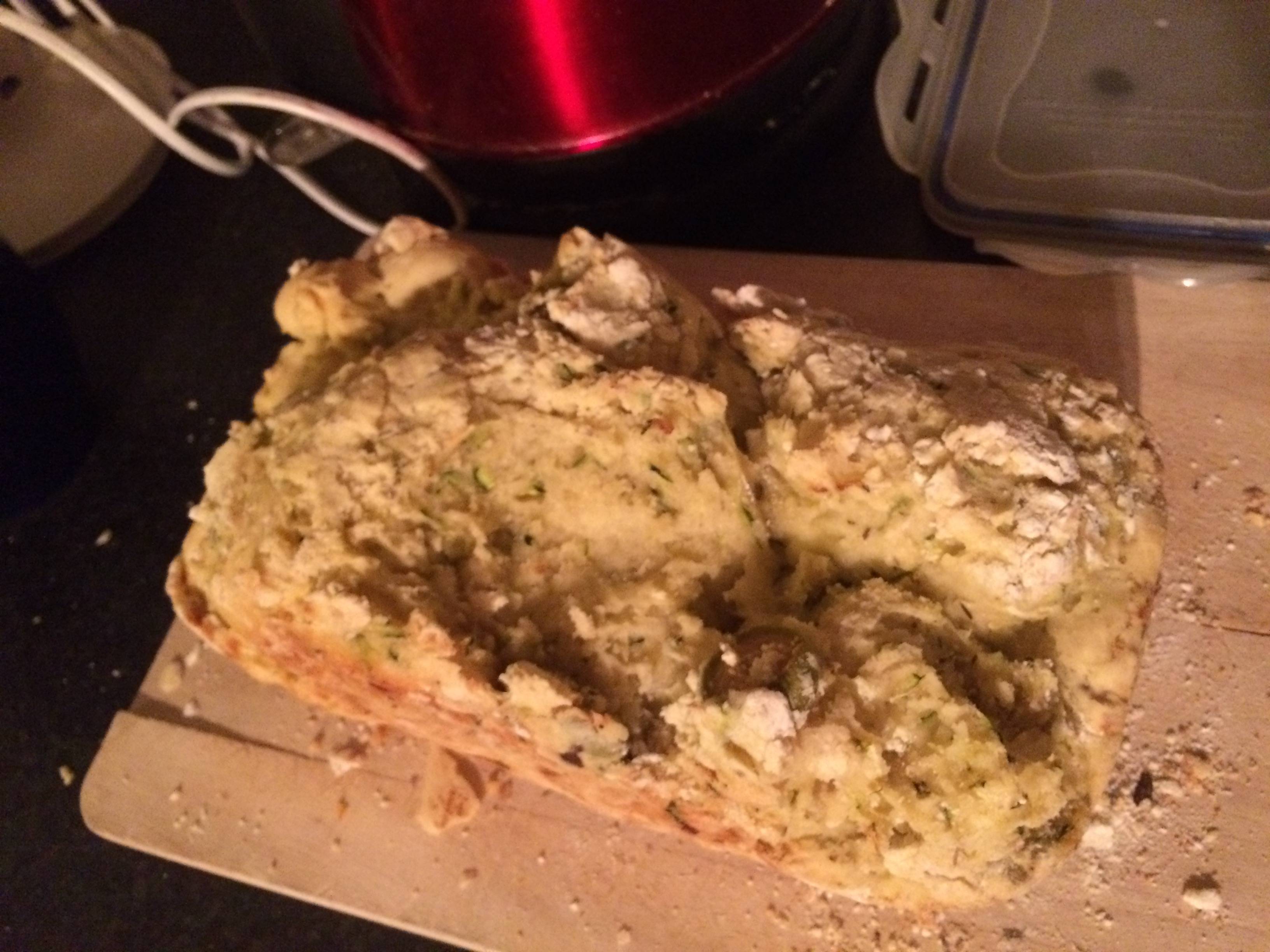
yeast Gluten free bread in breadmaker looks weird and doesn't rise from cooking.stackexchange.com
If any yeast bread dough is too dry or becomes that way during its rising time, the yeast will not thrive and the bread dough will not rise. If it rises on the counter, then the. This will allow the steam to escape and for.
Lightly Cover The Loaf Pan With A Damp Towel And Place In The Oven For 20 To 30 Minutes Or Until The Dough Rises To The Top Of The Loaf Pan.
Yeast breads sink after baking. Cover and into a warm place with a pan containing hot water for humidity for approx. A balance between starches and ‘gritty’ flours like rice flour or oat flour.
The Dough Has To Be Very Loose, Or It Just Won’t Rise.
Towards the end of the rising time, preheat the oven to 350°f. Let the dough rise until it barely crowns over the rim of the pan. Remove it from the oven, and turn it out of the pan onto a rack.
Preheat Your Oven To 450F During The End Of The Second Rise.
Flour mix and salt into a bowl, stir well. Use a spoon to scoop flour into the measuring cup and level off with a knife instead. Olive oil is a healthy cooking oil that adds wonderful flavor to bread.
This Can Compress The Flour — Up To 25%!
The warmth and steam from the water turn your oven into a proofing chamber. The dough hasn't achieved enough elasticity to rise. In another bowl, warm water and milk to 105 degrees.
Similar To Salt, Sugar Defers Water Passing Through Cells In The Dough Through Osmosis.
Rice flour, the most commonly used of gf flours, is a fairly heavy flour and, by itself, is not a good option for bread. The twisting motion can pinch the cut edges together, which can seal it so much that it prevents the edges from rising up properly. Run a stick of butter over the top crust, if you like.


Comments
Post a Comment